

We believe that our technology and our partnerships have the power to re-imagine stroke recovery. Picture thousands of stroke recovery patients moving their arms and legs again from their own living rooms.
Bachelor of Science in Engineering capstone project, in collaboration with Udit Garg, Aditya Gowd, William Qi, and Christopher Wun
A novel brain-computer interface (BCI)-enabled rehabilitation system that integrates motor intent decoding with FES
ReFlex is a low-cost, user-driven system combining EEG and FES to address the need for accessible, effective outpatient stroke rehabilitation.
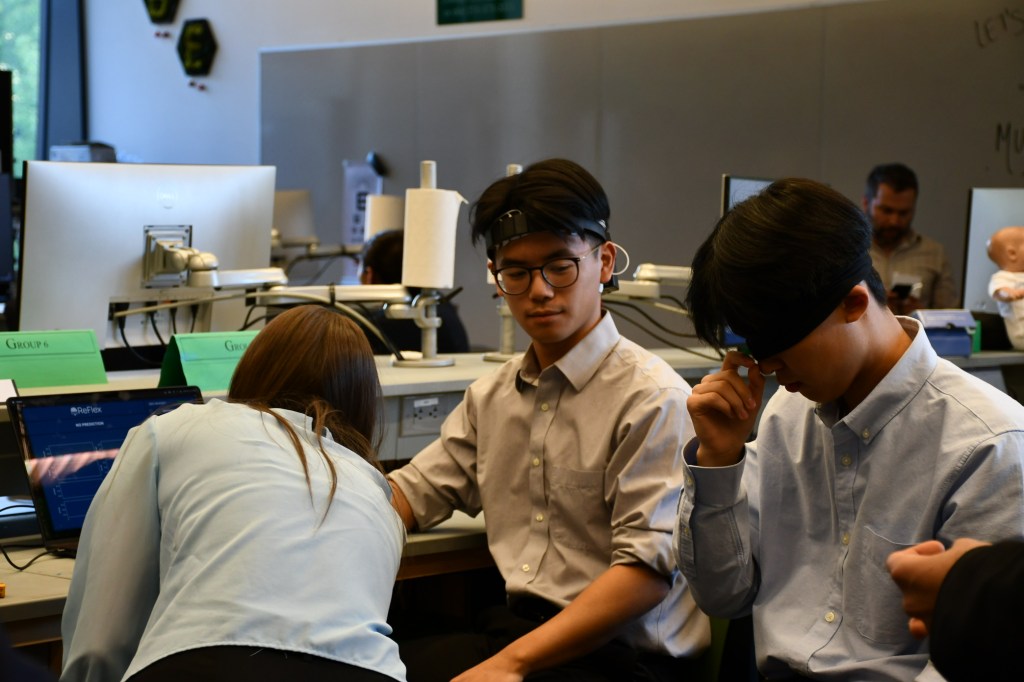
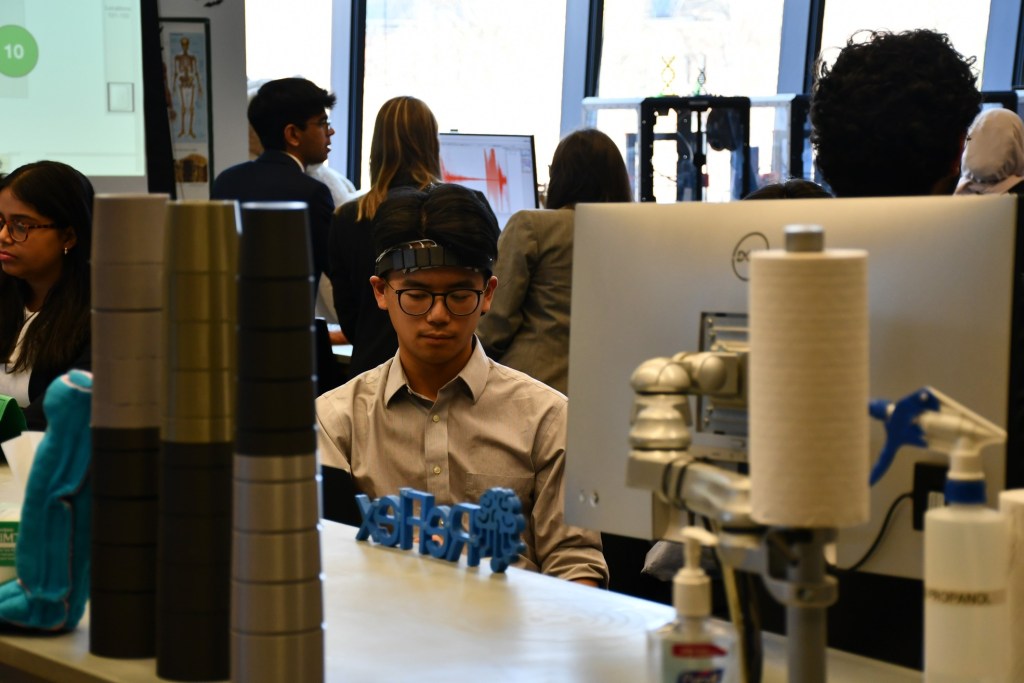
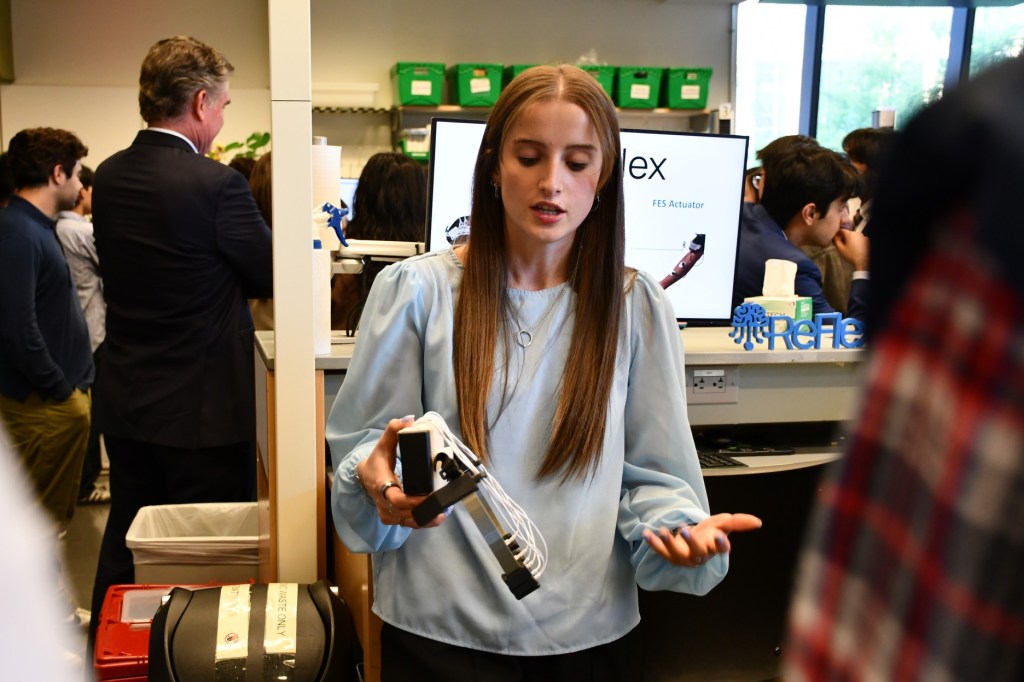
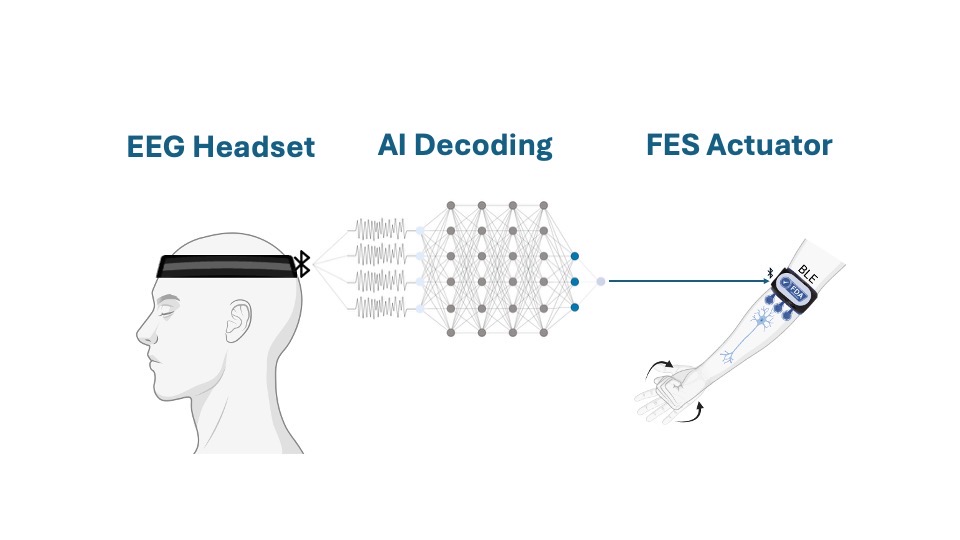
ReFlex uses a wearable headset to record EEG signals, which are processed by a real-time deep learning algorithm to decode motor intent. The decoded intent triggers an FES device to stimulate muscle movement in the intended limb, reinforcing and rebuilding neural pathways in real time.
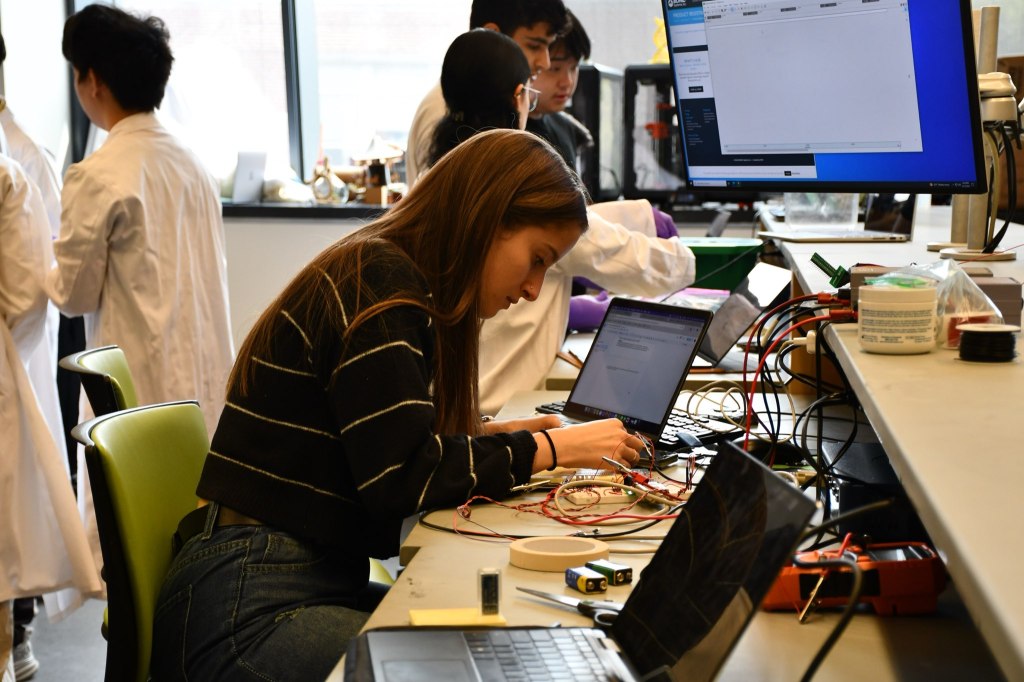
ReFlex employs a 3D-printed, adjustable eight-electrode EEG headset featuring a custom PCB for analog filtering. Our maximum sampling rate of 500Hz and signal-to-noise ratio of 4.4 dB allow for accurate capture of well-documented EEG phenomena such as the Berger effect and alpha/theta rhythms.
80.2%
real-time decoding accuracy (compared to ~76% current research gold standard)
<500ms
latency from data processing to model inference time to time to stimulation
4.76 dB
signal-to-noise ratio (compared to ~3.9 dB median industry signal-to-noise ratio – LADYBIRD)
Stroke is the leading cause of long-term disability globally
With 12.2 million first-time strokes annually. Recovery can take years, and many stroke survivors never regain motor control. The current gold standard, functional electrical stimulation (FES), is costly and yields inconsistent results on its own. Fortunately, recent research has shown that linking motor imagery with FES improves standard measures of recovery (such as Fugl-Meyer scores) by 100% in just one month.

Combining our technology and existing and future partnerships with the Penn Center for Neuroengineering and Therapeutics and CIONIC brings a new era of stroke recovery for the 101 million stroke survivors around the world.
ReFlex empowers patients to take control of their rehabilitation journey, enabling faster, more cost-effective, and independent recovery.
17
stakeholder interviews across patients, providers, and doctors
3+
University of Pennsylvania faculty advisors
$50B
Outpatient + at-home rehabilitation market
Discover More
Awards Spotlight
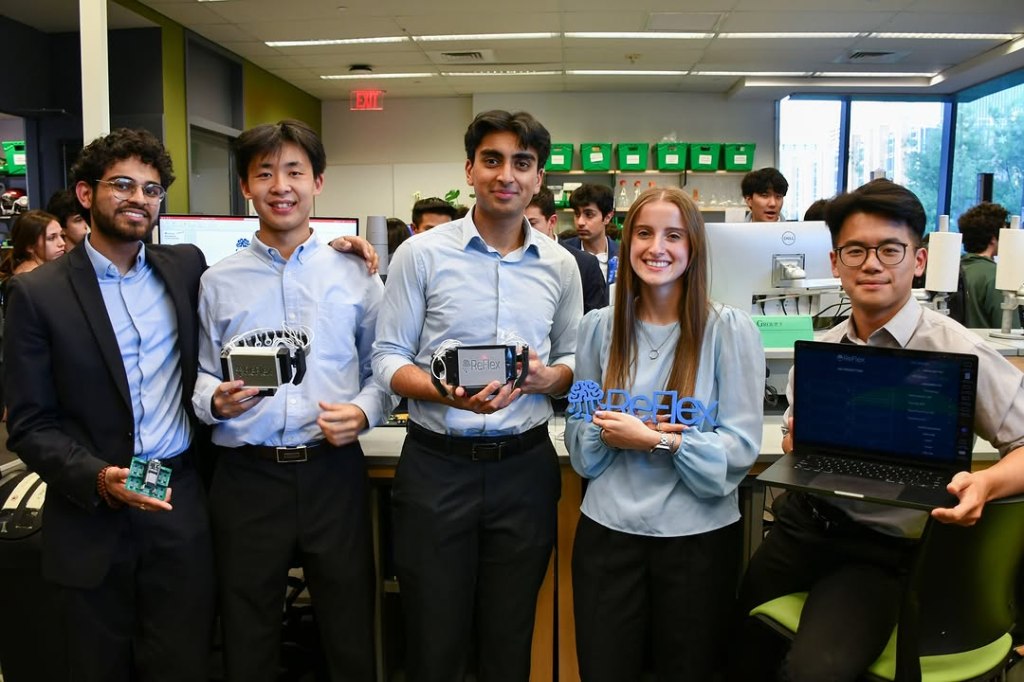
Learn a bit more about our journey and how ReFlex got started through this spotlight article, featuring a deep dive into the first steps ReFlex took to get to where it is today.

White Paper
For a more comprehensive and detailed overview of ReFlex, read a bit more in our final report. This report establishes the research, justification, iterative development and delivery of ReFlex.
Pitch Deck
What’s on the horizon for ReFlex? Here’s our pitch for why ReFlex is the future of stroke rehabilitation with our proprietary technology and the underlying business model supporting it.
 Ryann Joseph